
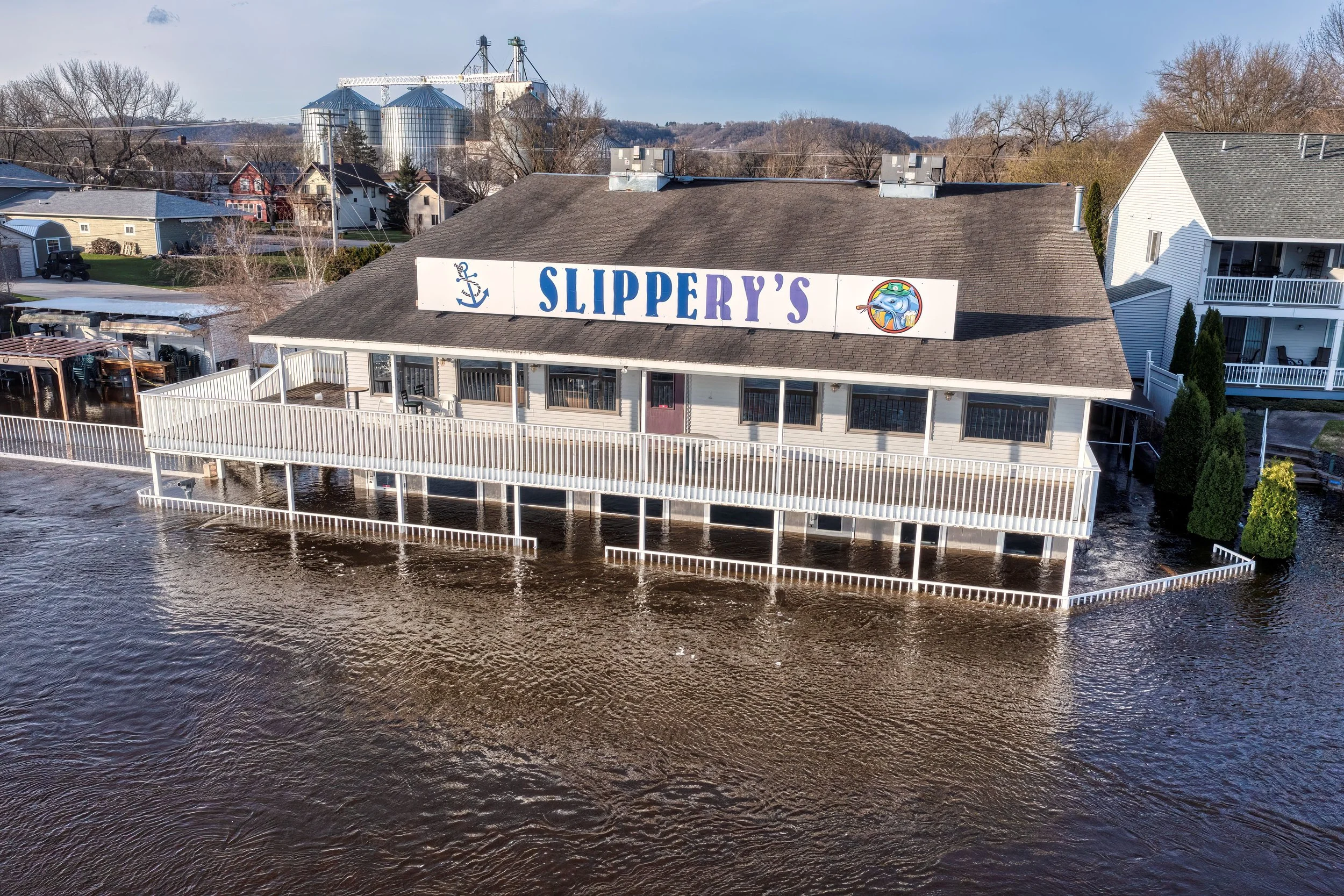
Flood Reports for Residential Development
Flood assessments by professional engineers for DA & CDC approvals
Do You Need a Flood Report?
A flood report (sometimes called a flood impact assessment) may be required by council when submitting a Development Application for residential development in flood-affected areas.
-
If a property is identified within a flood planning area, councils usually require a flood assessment before development approval can be granted.
The flood report typically reviews:
the design flood level (usually the 1% AEP event)
the applicable freeboard requirement
floor level requirements for the proposed building
whether safe access is maintained during flood events
The objective is to ensure the development is safe and consistent with council flood planning policies.
-
Many councils require a flood report to accompany a Development Application (DA) where flood risk may affect the site.
This may occur even when the site is not formally mapped as being within a flood planning area, as Council may have additional information that indicates there is a risk that needs to be addressed.
A flood report will generally confirm:
the applicable flood planning level (FPL)
the minimum finished floor level for the development
that the proposal does not worsen flooding on neighbouring properties
that the development complies with council flood planning controls
This information allows council to determine whether the development is suitable for approval.
-
In some cases, an existing house may need to be raised to meet the required flood planning level.
This commonly occurs when:
renovating or extending an existing dwelling
rebuilding after flood damage
upgrading older buildings that were constructed prior to current flood controls
A flood report can determine the required minimum floor level and confirm compliance with council requirements.
It should be noted that some Councils provide concessions for small alterations and additions, allowing the finished floor level to be retained below the flood planning level. -
Item descriptionNew residential buildings located within flood-affected areas will often require a flood assessment as part of the approval process.
This applies to developments such as:
new houses
granny flats
secondary dwellings
detached studios or outbuildings
The flood report confirms that the proposed development meets the minimum flood planning level and does not adversely affect flood behaviour.
-
Subdivision or redevelopment of land within flood-affected areas may require a flood study or flood impact assessment.
This is typically required where development could alter flood storage or flood conveyance across the site.
The assessment may review:
potential changes to flood levels
impacts on surrounding properties
appropriate finished ground and floor levels
-
Sometimes council will request a flood report during the assessment of a DA, even if one was not originally submitted.
This may occur where:
flood mapping is unclear
the site is close to a flood planning area
additional technical information is required to assess the development
Providing a flood report helps address these concerns and allows the application to progress.
-
Complying Development Certificates (CDC) allow certain types of development to be approved through a private certifier rather than council. However, CDC pathways are generally more restricted in flood-affected areas.
Under the NSW planning rules, development is typically not eligible for CDC if the site is located within a floodway or high hazard flood area.
In some cases, CDC may still be possible if:
the property is outside the mapped floodway
the development can meet the required flood planning level (FPL)
the proposal satisfies the requirements of the State Environmental Planning Policy (Exempt and Complying Development Codes)
Where a property is flood-affected, a flood report or flood advice may still be required to confirm that the development meets the relevant planning controls.
If CDC is not permitted due to flood constraints, the development will usually need to proceed through a Development Application (DA) instead.
If you’re unsure, we can review your site and advise whether a CDC pathway is possible before you proceed with design or approvals.
-
If you’re unsure whether your property requires a flood report, we can quickly review the site and council flood mapping to confirm the requirements.
In many cases this can be determined from publicly available flood data.
However, it’s important to note that Council may request a flood report, where they have identified risk that necessarily requires one.
What’s Included in a Flood Report?
Most residential flood reports prepared for Development Applications (DA) include the following elements.
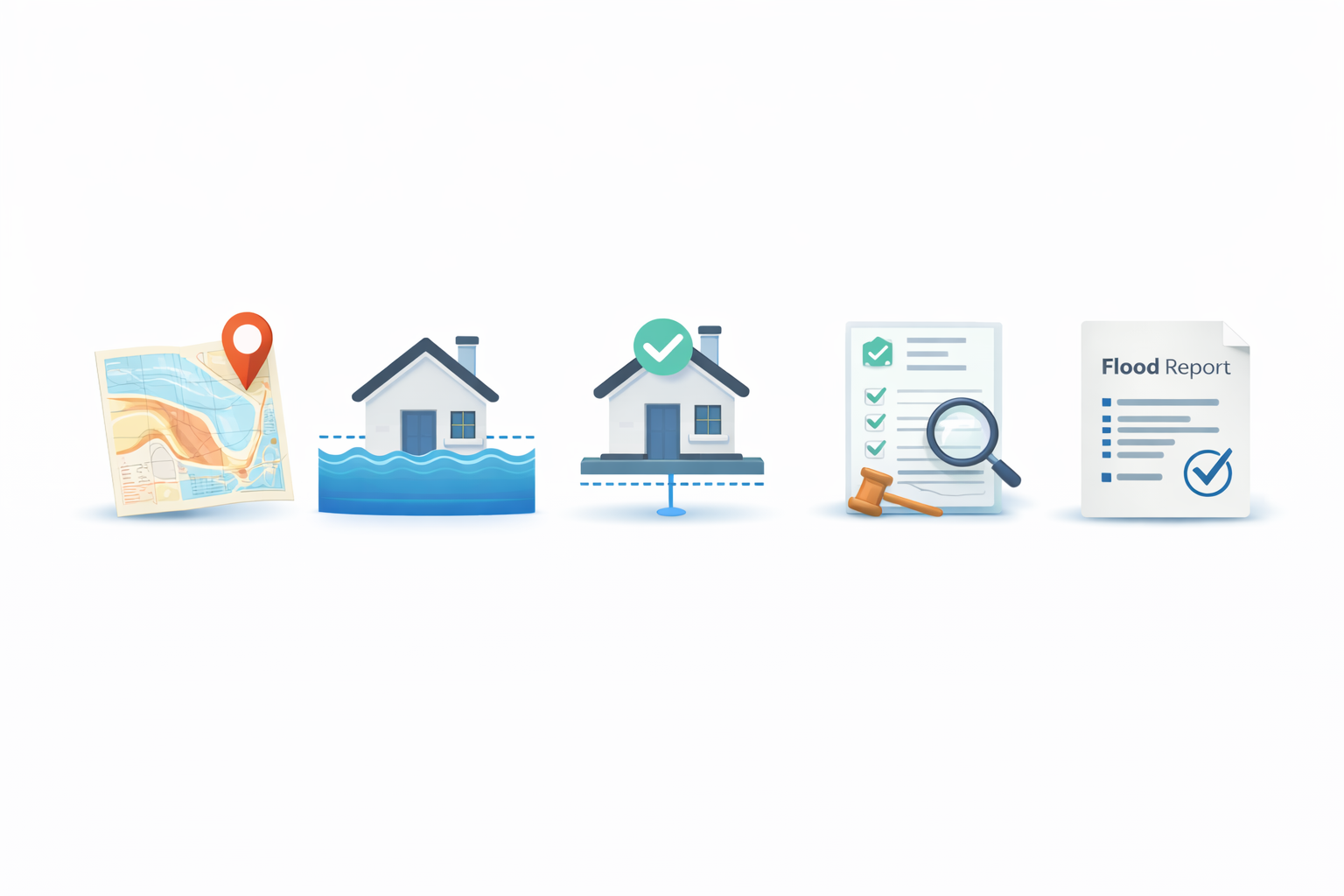
Council Flood Mapping Review
Determine design flood level for the site and freeboard requirements
Flood Planning Level Assessment
Confirm minimum finished floor level
Floor Level Recommendations
Review likely impact of development on flood behaviour and levels
Flood Impact Assessment
Identify flood planning area and extent of impact
Council-Ready Report
Prepare a report for submission to Council
Flood Report Cost and Timeframe
Most residential flood reports prepared for Development Applications (DA) fall within the cost and timeframe outlined below.
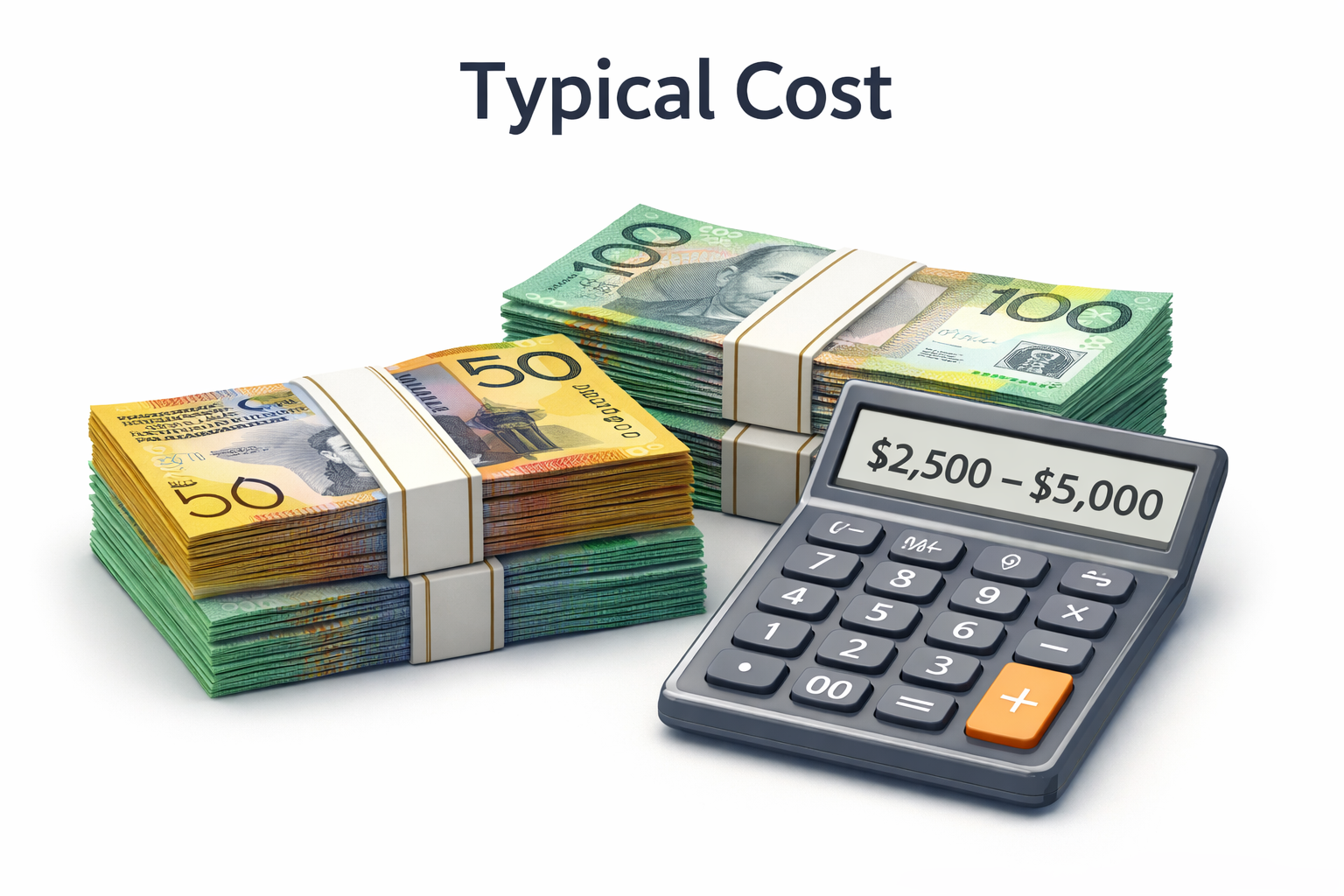
The cost of a flood report varies, but is generally between $2,500 and $5,000.
For straightforward reports, this can decrease further.
For larger or complex sites, or those requiring flood modelling, the price can increase further.
Not sure what applies to your site? Send us your site details and we can provide a quick cost estimate.
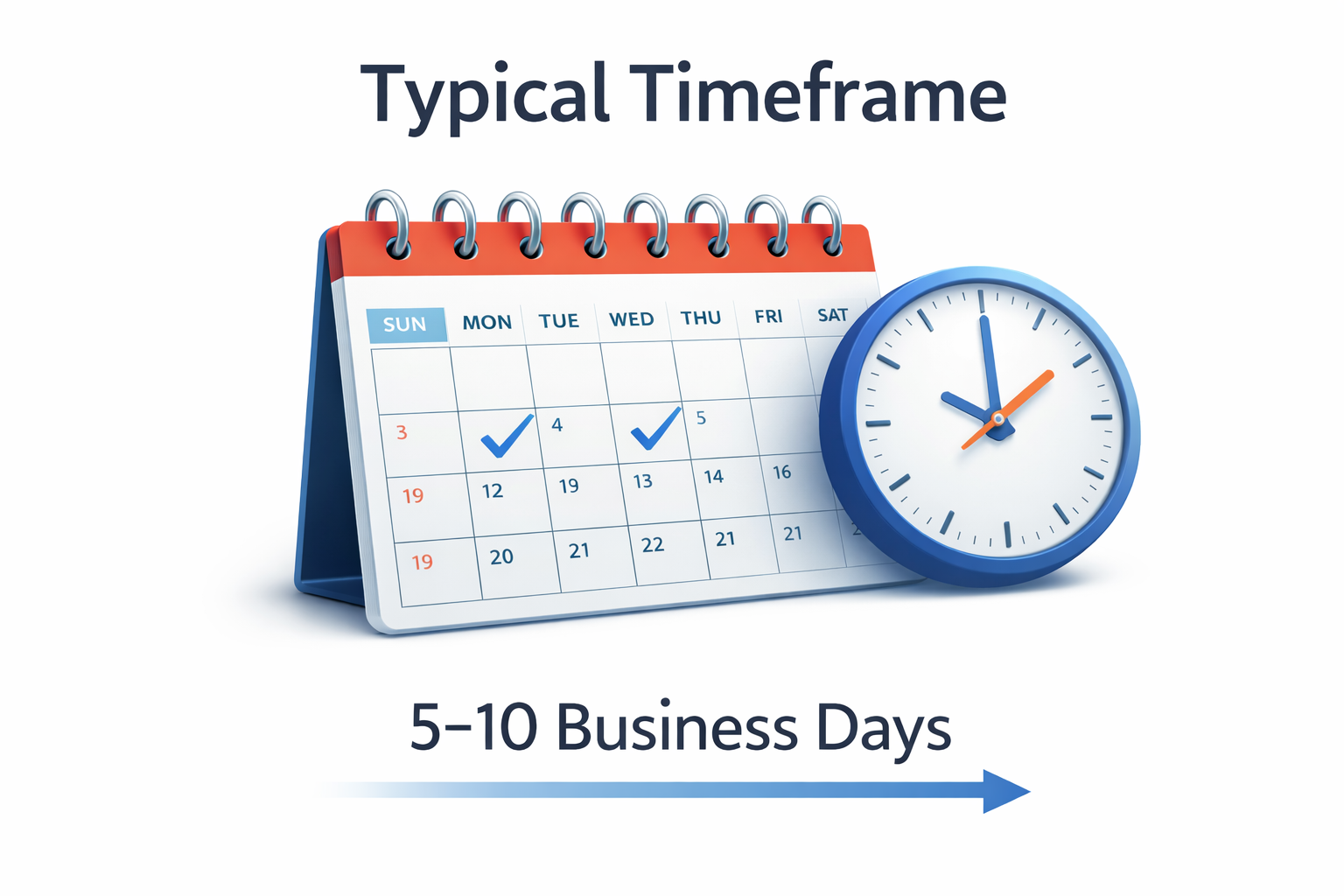
Our typical turnaround time for a flood report, is 5-10 days from receipt of all relevant information.
Something that can delay the turnaround time, is waiting for information from Council.
Our Flood Report Process
We follow a simple and structure process to prepare flood reports suitable for Council Development Applications (DA) or Complying Development Certificates (CDC)
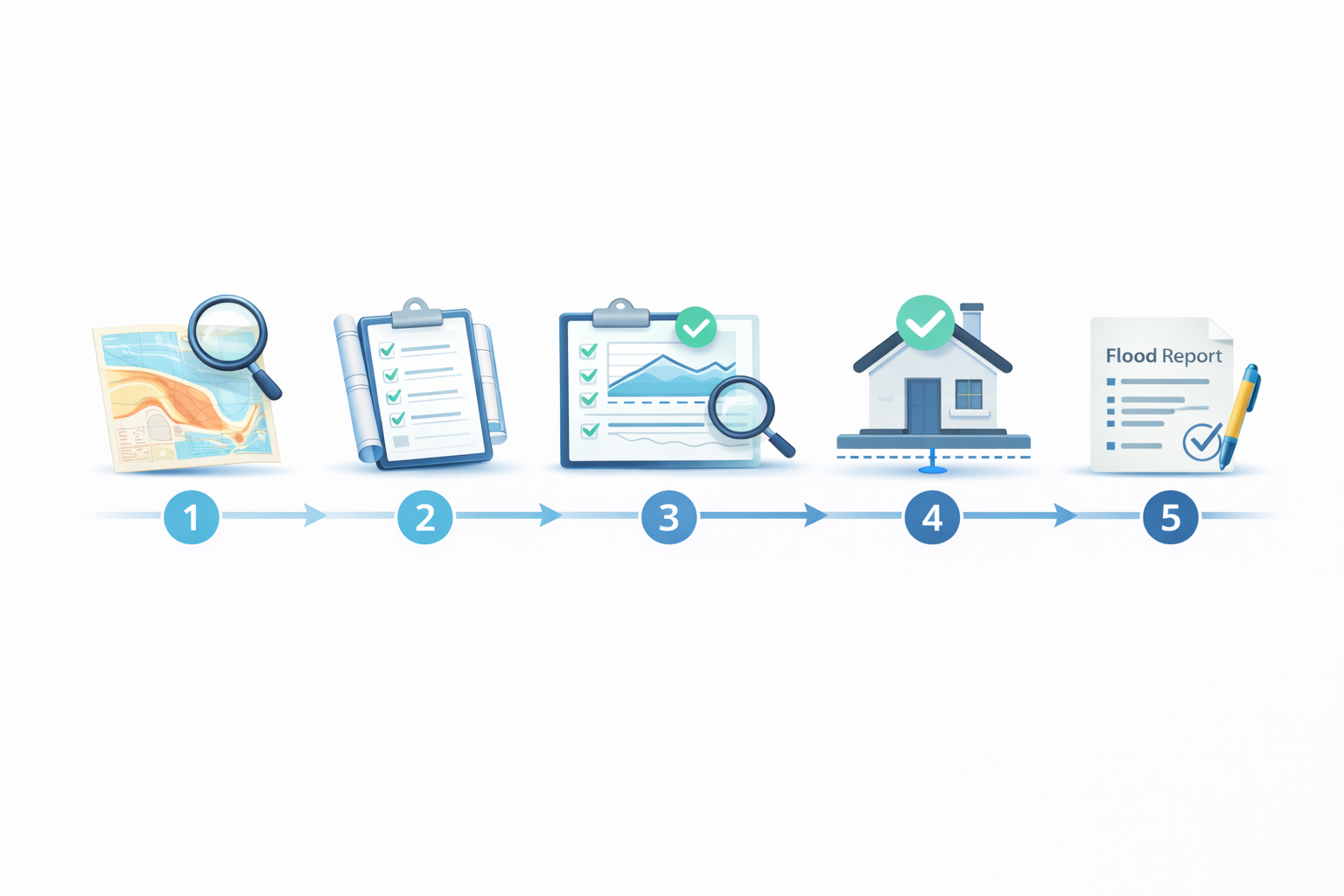
Site Review
Gather relevant data and request flood information from Council
Information Collection
Review the interaction between the flood event and the proposed development
Flood Assessment
Confirm minimum flood levels to meet Council requirements
Flood Level & Design Advice
Initial review of the site and flood risks
Council-Ready Report
Prepare a report detailing the assessment and outcomes
Service Areas

We prepare residential flood reports and flood impact assessments for all areas of NSW and across the rest of Australia
NSW Based
As a Sydney based consultancy, our team has experience delivering residential flood reports and flood impact assessments throughout NSW.
Our Service areas include, but are not limited to:
Sydney and Greater Sydney
Central Coast, Wollongong and Newcastle
NSW East Coast
Rural NSW
Australia Wide Focus
While based in Sydney, our team has experience delivering residential flood reports and flood impact assessments through the majority of Australian States & Territories. Our Service areas include, but are not limited to:
Victoria
ACT
Queensland
South Australia
FAQs
1
Do I need a flood report for DA?
The need for a flood report or impact assessment for DA can be triggered by one of two things:
The site is mapped as being flood impacted
Council have determined that there is a flood risk for the site
For the former, you can review Council’s flood maps or the NSW Planning Portal Spatial Viewer to determine whether the property is within a mapped flood planning area. Note that if the flood mapping extends over part of the property, the property is still considered flood affected.
For the latter, it’s often difficult to have foresight on whether Council will require a flood report, as this is at their discretion and based on the information available to Council.
How long does a flood report take?
2
The time taken to prepare a flood report can vary based on the complexity of the site, development and flood impacts, as well as the Council, and the experience of the Consultants completing the works.
Our typical flood report timeframes can be found here.
The cost of a flood report can vary based on the complexity of the site, development and flood impacts, as well as the information available on the flood, and whether the development is likely to impact the flood behaviour or level. If flood modelling is required, because the information pertaining to the site is not available or the effects of the development on the flood need to be checked, then this can push costs up.
Our typical flood report costs can be found here.
3
How much does a flood report cost?
Can you build in a flood planning area?
4
Yes, you can build in a flood planning area!
However, there are some things that need to be considered, including:
Ensuring that the flood level is above the flood planning level
Ensuring that there is safe egress or refuge in a flood event
That the development will not have an adverse effect on flood behaviour or levels, that may impact neighbouring properties or other areas of the flood plane.
The flood planning level is determined by assessing the expected flood water level within the footprint of the development, then adding the freeboard to the top.
5
What is the flood planning level?
What is freeboard?
Freeboard is the safety factor between the anticipated flood level and the flood level of the dwelling. While this factor is determined by each Council’s policies, the typical values is 500mm.
This means you can typically expect the flood planning level to be set 500mm above the maximum flood level within the development footprint.
6
Can you get a CDC in a flood planning area?
7
It depends on where the site exists within the flood planning area. The State Environmental Planning Policy Housing Code notes that the development cannot be carried out withing areas that are:
a flood storage area,
a floodway,
a flow path,
a high hazard area,
a high risk area.
For additional information refer to Clause 3.5 of the Housing Code
For a residential development to proceed under this policy, Council or a professional engineer who specialises in hydraulic engineering needs to certify that the development is not being carried out in one of these areas.
Note: the legislation requires someone who specialises in Hydraulic Engineering. This is typically going to be a Civil engineer who specialises in stormwater or flooding. There is some confusion generated by this requirement, as Hydraulic Engineering is not a recognised discipline by Engineer’s Australia, and the fact that Hydraulics is a subset of Building Services, which is unrelated to flooding.
We are appropriately qualified and experienced to assess and certify a development against the CDC requirements.
Is a flood report required for alterations and additions?
Yes, the requirements for alterations and additions in terms of flooding are ostensibly the same.
However, there are some concessions in terms of what the flood report needs to cover in some cases. For minor alterations and additions or things like first flood additions, there are often concessions from Council, that allow you to maintain existing floor levels below the flood planning level. This is Council dependant.
One thing that people often do not realise, is that flood requirements can be quite prohibitive for alterations and additions in certain circumstances. If the existing floor level is below the flood planning level and the development isn’t subject to a concession, it can often mean that the existing and new floor level would need to be raised above the flood planning level.
7
Request a Quote
Provide the details of your site and development to receive an obligation free quote.